
Heat pump servicing helps keep the system operating safely and efficiently while allowing potential problems to be identified before they become expensive repairs.
If you are wondering when a heat pump should be serviced, what a service includes, or whether regular maintenance is worth the cost, this guide explains the key points.
Table of Contents
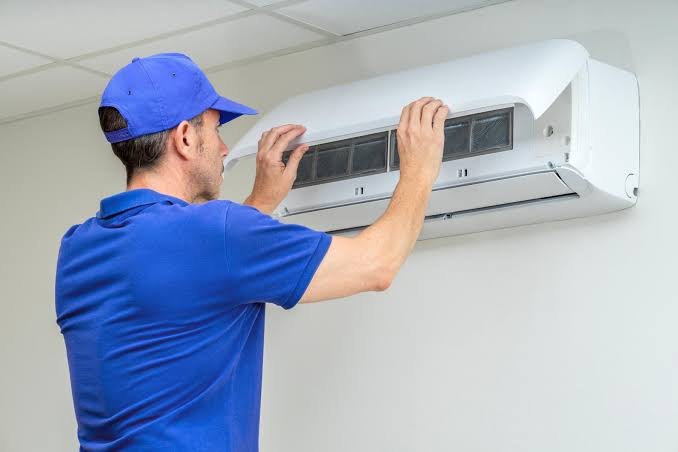
What Is Heat Pump Servicing?
Heat pump servicing is a professional inspection and maintenance process designed to check that a heat pump is operating correctly.
Unlike a simple filter clean, a full service looks at several parts of the system. A technician may inspect the heat exchanger, fan, coils, electrical connections, refrigerant circuit, condensate drainage, thermostat, and safety controls.
The goal is not just to fix an existing fault. Regular servicing can help identify developing issues, maintain appropriate airflow, and ensure the equipment continues to operate as intended.
Why Is Heat Pump Servicing Important?
A heat pump works by transferring heat rather than creating heat directly. Because it relies on several components working together, problems with airflow, sensors, electrical parts, or the refrigerant circuit can affect overall performance.
Regular maintenance can help with:
- System performance: A clean and correctly operating system can deliver heating and cooling more effectively.
- Energy efficiency: Restricted airflow or dirty components can make the system work harder.
- Reliability: Routine inspections can reveal worn or damaged components before they cause a breakdown.
- Indoor comfort: Proper airflow and functioning controls help maintain more consistent temperatures.
- Equipment life: Keeping components clean and addressing problems promptly can reduce unnecessary strain.
- Safety: Electrical connections and other safety-related components can be inspected by a qualified technician.
Servicing cannot guarantee that a heat pump will never fail, but it can make it easier to identify problems early.
How Often Should a Heat Pump Be Serviced?
For many homeowners, annual heat pump servicing is a practical maintenance schedule. However, the appropriate frequency depends on factors such as the manufacturer’s recommendations, system type, operating conditions, and how heavily the heat pump is used.
A heat pump used throughout the year for both heating and cooling may need closer attention than a system used occasionally.
Commercial systems, systems in dusty environments, or equipment experiencing heavy use may also require more frequent maintenance.
Always check the manufacturer’s maintenance recommendations and any applicable local requirements. A professional technician can also recommend an appropriate service interval based on the condition and usage of the equipment.
What Does Heat Pump Servicing Include?
A professional heat pump service can include several checks and maintenance tasks.
1. Inspecting and Cleaning Filters
Air filters collect dust and other airborne particles. When filters become heavily blocked, airflow can be reduced.
The technician may inspect the filters, clean reusable ones, or recommend replacement where necessary.
Homeowners can often check and clean accessible filters themselves, following the manufacturer’s instructions.
2. Checking the Indoor Unit
The indoor section of the system may be inspected for dust buildup, unusual noises, airflow problems, and visible damage.
The technician can also check the indoor coil and fan to make sure they are operating properly.
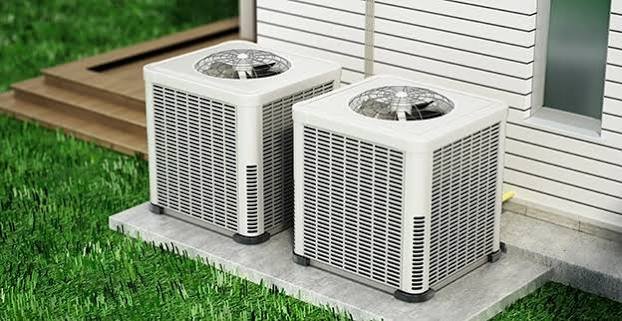
3. Inspecting the Outdoor Unit
The outdoor unit needs sufficient airflow around it. Leaves, dirt, vegetation, and other debris can restrict airflow.
During servicing, the technician may inspect the outdoor coil, fan, casing, mounting, and surrounding area. Any cleaning should be performed according to the equipment manufacturer’s recommendations.
4. Checking Refrigerant Components
Heat pumps use a refrigerant circuit to transfer heat. A technician can inspect the system for signs of leaks or other refrigerant-related problems.
Low refrigerant should not simply be treated as something that needs routine “topping up.” If the refrigerant charge is incorrect, the underlying cause should be investigated by an appropriately qualified professional.
5. Inspecting Electrical Connections
Electrical components are an important part of a heat pump. Servicing may include checking connections, controls, wiring, and other accessible electrical components for signs of damage or abnormal operation.
Electrical work should be handled by a qualified professional rather than attempted as a DIY repair.
6. Testing System Operation
The technician may operate the heat pump through its available modes and check whether it responds correctly.
This can include checking the thermostat or controller, airflow, temperature performance, fans, and other operating functions.
7. Checking Drainage
Heat pumps can produce condensation during operation. A blocked or poorly draining condensate system can result in water leaks or other problems.
A service may therefore include checking the drain and related components for blockages or signs of improper drainage.
Signs Your Heat Pump Needs Servicing
You do not necessarily have to wait until the next scheduled appointment if the system starts behaving differently.
Common warning signs include:
- Reduced heating or cooling performance
- Unusual buzzing, rattling, or grinding noises
- Weak or inconsistent airflow
- Unexpected increases in energy use
- Water leaking around the indoor unit
- The system frequently starting and stopping
- Ice or excessive frost on the outdoor unit
- A thermostat or controller that does not respond correctly
- Error codes appearing on the display
- Unusual smells coming from the system
Some of these symptoms can have simple causes, while others may indicate a mechanical, electrical, airflow, or refrigerant problem.
If the heat pump stops working, repeatedly trips an electrical protection device, produces burning smells, or shows another potentially dangerous fault, turn it off and seek professional.
Can You Service a Heat Pump Yourself?
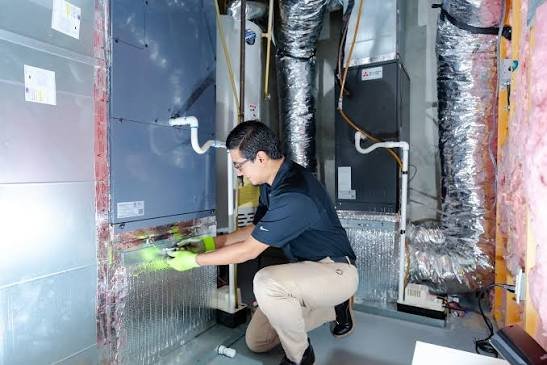
There are some basic maintenance tasks homeowners can safely perform, but a full heat pump service generally requires professional knowledge and equipment.
Tasks homeowners may be able to handle
Depending on the manufacturer’s instructions, you may be able to:
- Clean or replace accessible air filters
- Keep the outdoor unit free from leaves and obvious debris
- Check that indoor and outdoor airflow is not blocked
- Keep the area around the outdoor unit reasonably clear
- Check the thermostat or controller settings
Tasks best left to a professional
Professional servicing may be required for:
- Refrigerant system inspection or repair
- Refrigerant handling
- Electrical diagnostics
- Component testing
- Fault diagnosis
- Internal mechanical repairs
- Refrigerant leak detection and repair
Trying to repair refrigerant or electrical components without the appropriate training can damage the equipment and create safety risks.
Heat Pump Servicing vs. Heat Pump Repair
These terms are related but do not mean the same thing.
Servicing is preventative and diagnostic maintenance. It focuses on inspecting, cleaning, testing, and maintaining the system.
Repair is corrective work. It is performed when a component has failed or the system has developed a specific fault.
For example, cleaning an outdoor coil during routine maintenance is servicing. Replacing a failed fan motor is a repair.
Regular servicing can sometimes identify a developing problem before it becomes a major repair, but maintenance cannot prevent every possible failure.
How Much Does Heat Pump Servicing Cost?
The cost of heat pump servicing varies considerably depending on factors such as location, system type, system size, accessibility, technician rates, and whether additional repairs are needed.
A basic maintenance appointment is normally different from a service call that requires troubleshooting or replacement parts.
When comparing quotes, ask what is included. A lower advertised price may cover only a basic inspection, while another service package may include more detailed cleaning and testing.
If a technician recommends a costly repair, ask for an explanation of the fault, the proposed repair, parts and labor costs, and whether the repair is urgent.
How to Find a Good Heat Pump Service Technician
Choosing the right technician is important, particularly when servicing involves electrical or refrigerant-related work.
Look for a professional who:
- Is appropriately qualified for the work required
- Has experience with your type of heat pump
- Understands the manufacturer’s service requirements
- Provides a clear explanation of the work
- Gives you a written quote when repairs are required
- Can explain any identified faults in straightforward terms
- Follows applicable safety and refrigerant-handling requirements
It is also useful to keep records of previous servicing, repairs, and replacement parts. This information can help a technician understand the system’s maintenance history.
Ways to Keep Your Heat Pump in Good Condition
Between professional service appointments, simple maintenance can help keep the system operating properly.
Keep filters clean according to the manufacturer’s recommended schedule. Avoid placing objects directly around the outdoor unit, and remove obvious leaves or debris that could interfere with airflow.
Pay attention to changes in performance. A gradual reduction in heating or cooling, unusual sounds, or recurring error messages should not be ignored.
It is also worth keeping the manufacturer’s manual and model information available. Different heat pumps have different maintenance requirements, so general advice should not replace the manufacturer’s instructions.
Frequently Asked Questions
How often should a heat pump be serviced?
For many systems, annual servicing is a sensible starting point, but the correct interval depends on the manufacturer’s recommendations, usage, environment, and system condition.
Is heat pump servicing worth it?
Regular servicing can be worthwhile because it helps maintain the system, identify potential faults, and keep important components operating correctly. It does not guarantee that repairs will never be needed.
What happens if a heat pump is not serviced?
A neglected system can develop problems such as restricted airflow, dirty components, drainage issues, or undetected mechanical and electrical faults. Performance may decline, although the consequences vary depending on the system and its condition.
How long does heat pump servicing take?
The time varies according to the heat pump type, accessibility, condition, and amount of maintenance required. A straightforward maintenance visit may be relatively quick, while diagnosis or repairs can take longer.
Does heat pump servicing include refrigerant?
A professional inspection may include checking the refrigerant circuit and looking for signs of leakage or incorrect operation. Refrigerant handling and charging should be performed by an appropriately qualified professional and according to applicable requirements.
Can I clean my heat pump myself?
Homeowners can generally handle basic tasks such as cleaning accessible filters and keeping the outdoor area clear, provided the manufacturer’s instructions allow it. Internal, electrical, and refrigerant-related work should be left to a qualified technician.
Final Thoughts
Heat pump servicing is an important part of responsible system maintenance. Regular inspections can help keep airflow, controls, electrical components, drainage, and other parts of the system in good working order while giving you an opportunity to identify developing faults.
The best approach is simple: follow the manufacturer’s maintenance guidance, perform the basic maintenance you are comfortable handling, and arrange professional servicing at an appropriate interval. If your heat pump starts making unusual noises, loses performance, leaks water, or displays an error, have the problem checked rather than waiting for the next routine service.